Characteristics of Parboiled Rice
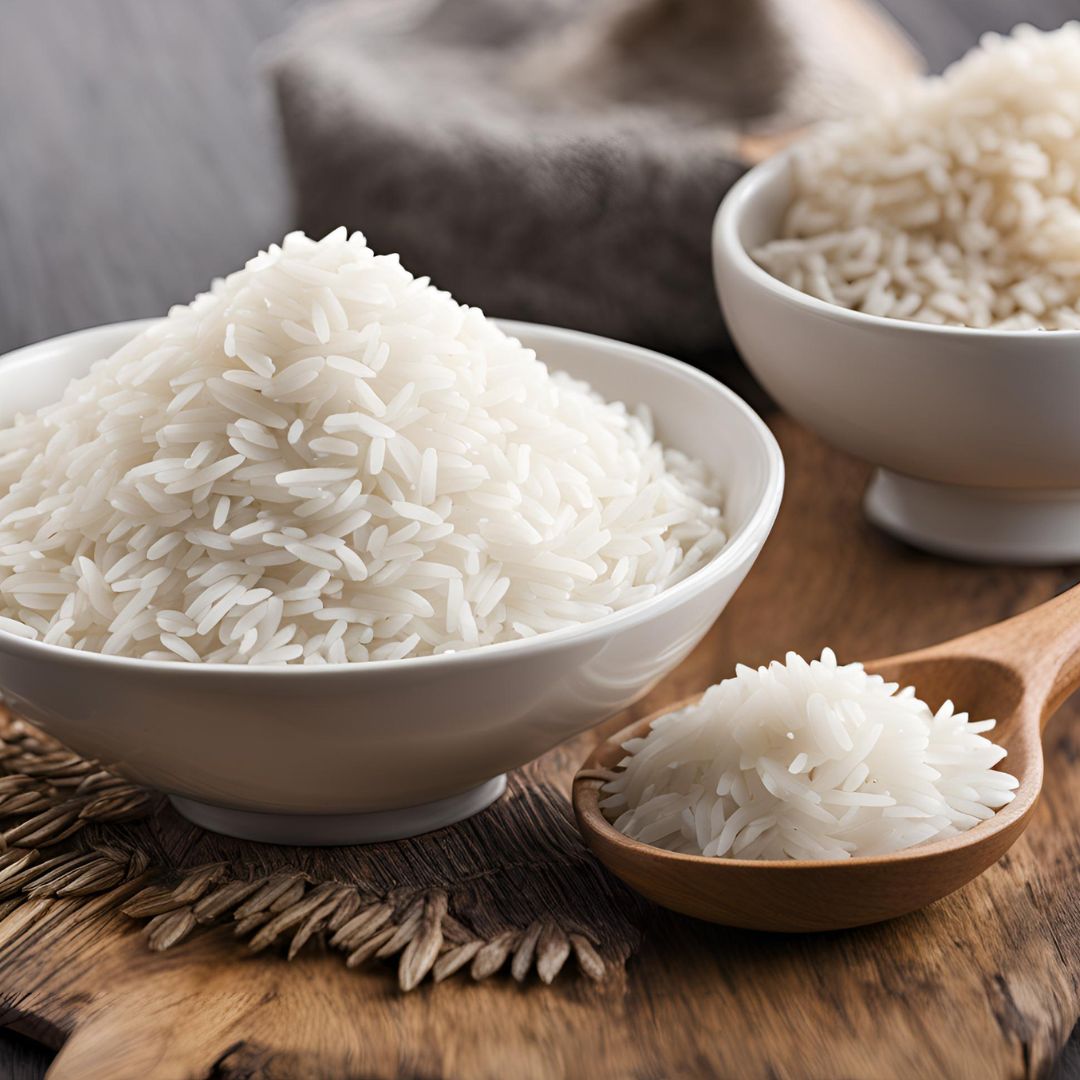
• Texture: Firmer and less sticky compared to white rice. The grains remain separate after cooking.
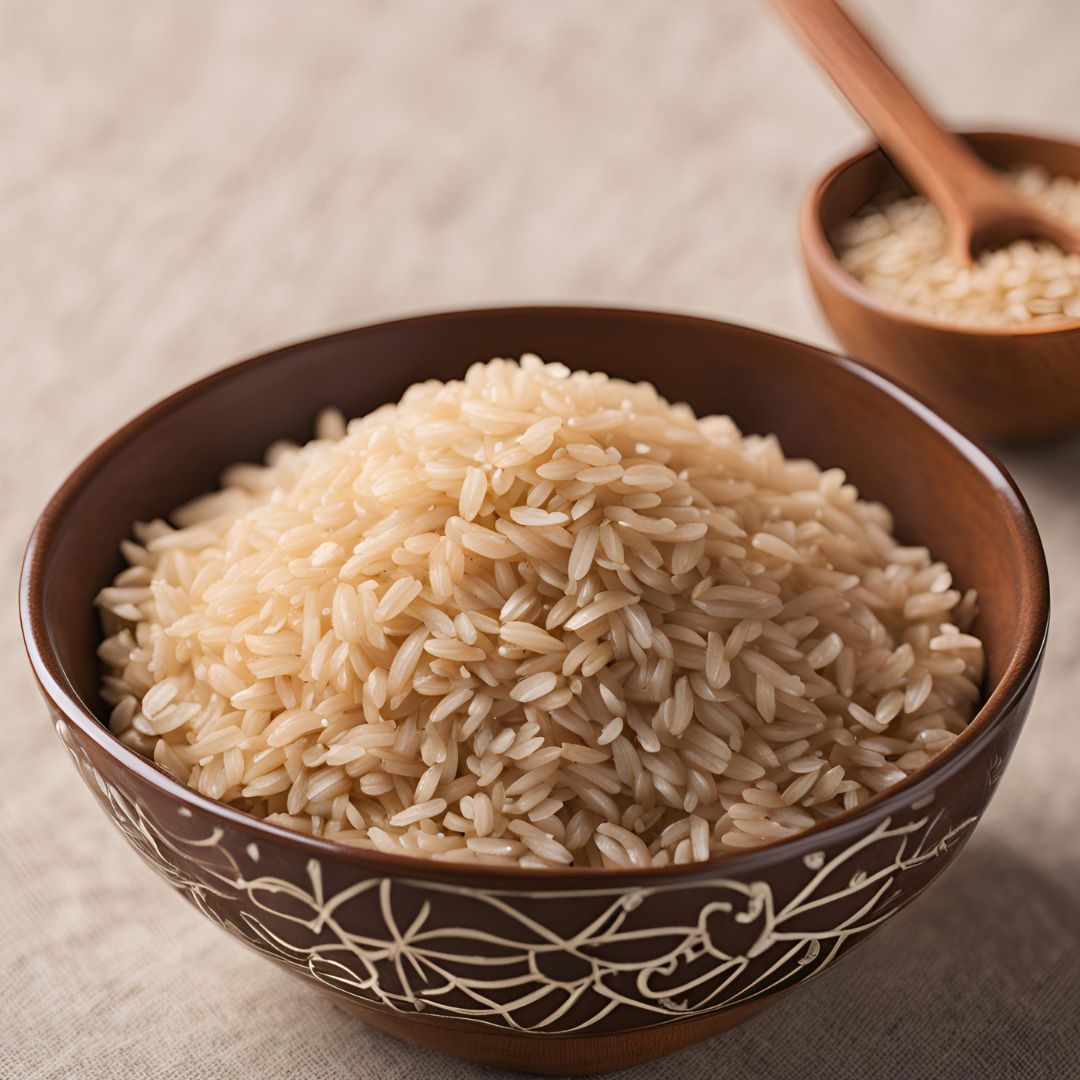
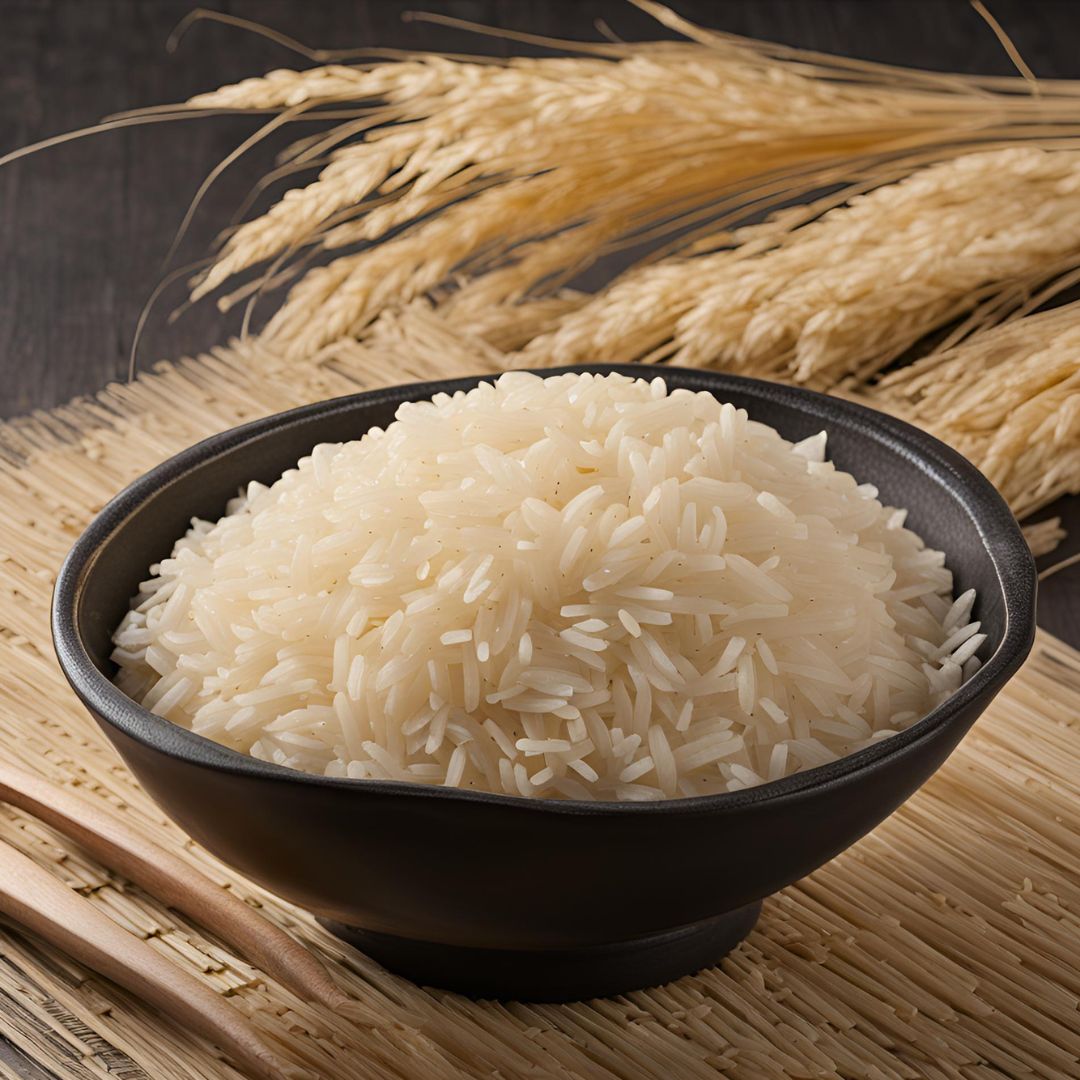
• Color: Light yellow or golden hue due to the steaming process, though it turns white when cooked.
• Flavor: Mild and nutty, with a slightly more robust flavor than regular white rice.
• Cooking Time: Faster than brown rice but slightly longer than white rice.
Nutritional Profile (Per 1 cup cooked, approximate)
• Calories: ~190
• Carbohydrates: ~41g
• Protein: ~4g
• Fat: <1g
• Fiber: ~1.4g (more than white rice, less than brown rice).
• Vitamins and Minerals: Higher content of vitamins like B6, thiamine, niacin, and minerals like magnesium due to the steaming process, which pushes nutrients from the bran into the kernel.
Benefits of Parboiled Rice
1. Nutritional Value: Retains more nutrients compared to regular white rice due to the steaming process.
2. Low Glycemic Index: Slower absorption helps manage blood sugar levels.
3. Improved Texture: Firmer grains that don’t clump together, making it ideal for dishes requiring separate grains.
4. Longer Shelf Life: More resistant to spoilage compared to brown rice.
Types of Parboiled Rice
1. Cream Sella Basmati Rice : is a specific variety of parboiled basmati rice.
2. Golden Sella Basmati Rice : Just like Cream Sella Basmati Rice, Golden Sela is a parboiled version of 1121 Extra Long Grain Basmati rice, but in a yellowish color.
3. IR 64 : is a high-yield variety of rice, commonly grown in many parts of Asia, particularly in India and Southeast Asia. It is known for its long grains, good cooking qualities, and resistance to diseases. The "IR" in the name stands for the International Rice Research Institute, which developed this variety.
4. Parboiled Broken Rice : is a type of rice that results from broken grains of parboiled rice, which have undergone the same processing method as regular parboiled rice.
Uses of Parboiled Rice
• Side Dishes: Complements curries, stews, and roasted meats.
• Main Dishes: Used in pilafs, biryanis, jambalaya, and fried rice.
• Global Dishes:
• Caribbean: Popular in rice and peas.
• Middle Eastern: Used in kabsa and pilaf.
• Indian: Often preferred for making biryanis.
• Commercial Use: Commonly used in food service industries because it holds up well under reheating.
How to Cook Parboiled Rice
1. Rinse the rice to remove excess starch.
2. Combine 1 part rice with 2 parts water or broth in a pot.
3. Bring to a boil, then reduce heat to low and cover.
4. Simmer for 20–25 minutes or until the water is absorbed and the rice is tender.
5. Fluff with a fork before serving.
Parboiled rice is a versatile and nutritious option that strikes a balance between the nutrients of brown rice and the cooking ease of white rice. Its firm texture and mild flavor make it ideal for a variety of cuisines and culinary applications.