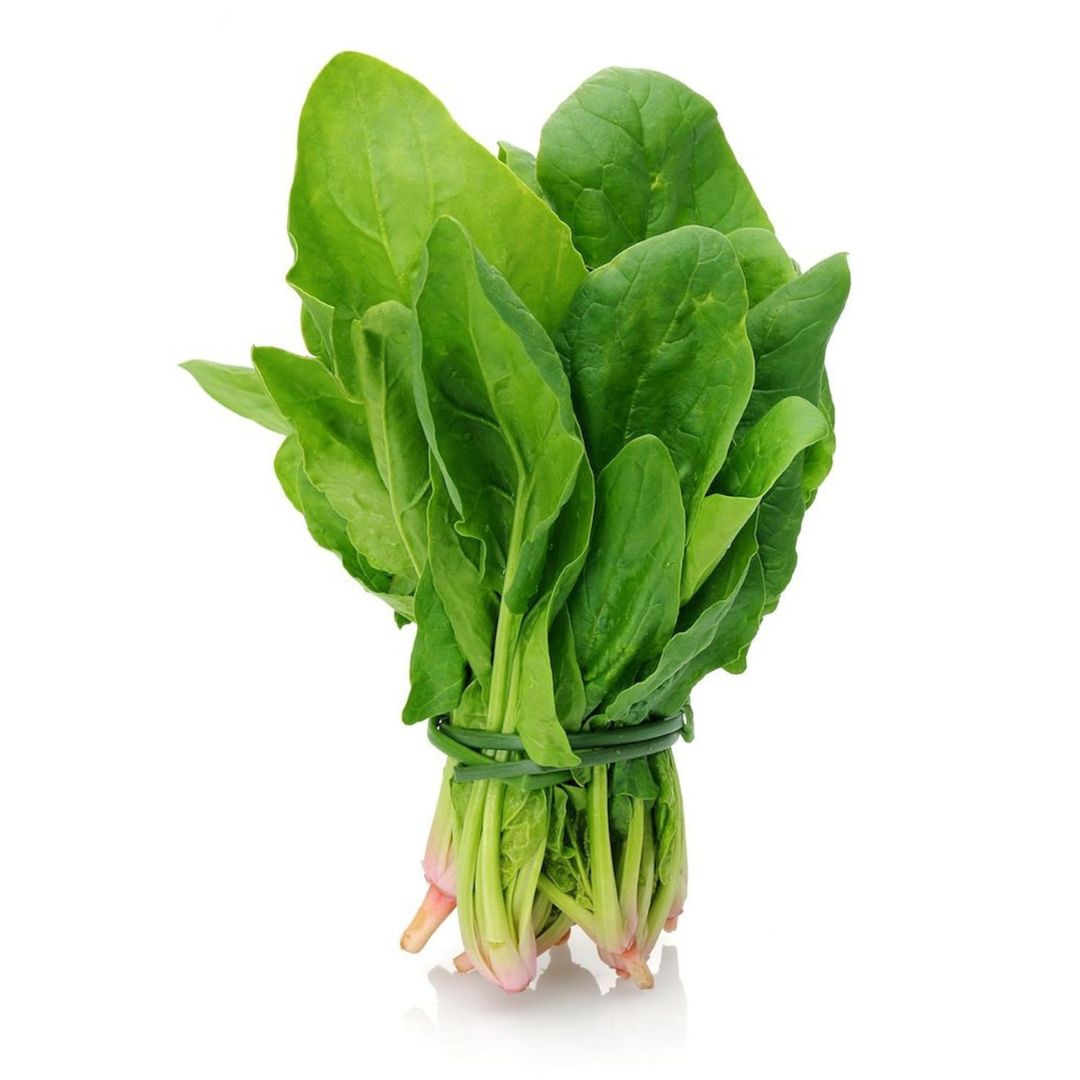
Major Varieties of Indian Spinach
1. Indian Spinach (Desi Spinach):
o The most commonly grown variety.
o Known for its dark green, broad, and tender leaves.
o Typically used in a variety of Indian dishes such as curries, dals, and saag.
2. Baby Spinach:
o Tender and mild-flavored spinach leaves harvested at a young stage.
o Often used in salads, smoothies, and garnishes.
3. Red Spinach:
o A unique variety with red stems and green leaves.
o Slightly sweeter than regular spinach and used in both cooked and raw preparations.
4. Leaf Beet Spinach (Chard):
o Similar to spinach but with colorful stems (red, yellow, or white) and larger leaves.
o Commonly used in soups, stir-fries, and salads.
Top Spinach-Producing States in India
1. Andhra Pradesh: The largest producer of spinach in India.
2. Madhya Pradesh: Known for the large-scale production of spinach.
3. Gujarat: Major contributor to the spinach production industry.
4. Maharashtra: Also a significant producer, especially around Pune and Nashik.
5. Rajasthan: Contributes to both domestic and export markets.
Packaging and Transportation
1. Packaging Standards:
o Fresh spinach is typically packed in ventilated cartons, plastic crates, or bunched and wrapped in plastic bags or netting.
o Packaging sizes vary, with common options being 1kg, 5kg, and 10kg boxes.
o Labels should include the variety, weight, country of origin, and other product details.
2. Storage and Transport:
o Optimal temperature: 2–4°C to preserve freshness and prevent wilting.
o Humidity: 90–95% to maintain leaf moisture.
o Spinach is highly perishable and should be transported in refrigerated containers to ensure it arrives fresh in international markets.
Advantages of Indian Fresh Spinach
1. Nutritional Value:
o Spinach is packed with vitamins A, C, and K, as well as minerals like iron, calcium, and magnesium.
2. Cost-Effective:
o India’s large-scale spinach production helps maintain competitive pricing in global markets.
3. Versatility:
o Fresh spinach is used in a wide range of culinary applications, from salads to soups, curries, and smoothies.
4. Organic and Sustainable:
o There is a growing demand for organic spinach, with India producing pesticide-free options for health-conscious markets.
Challenges in Spinach Export
1. Perishability:
o Spinach is highly perishable and requires careful handling and cold chain management.
2. Market Competition:
o India faces competition from other spinach-exporting countries such as China, the United States, and Europe.
3. Storage and Transportation:
o The need for refrigerated storage and transport can increase logistics costs.
Opportunities
1. Organic Spinach:
o There is increasing demand for organic vegetables, including spinach. Exporting organic spinach can tap into this growing market.
2. Frozen Spinach:
o Frozen spinach and spinach-based products (like spinach puree) are in demand in global markets due to their long shelf life and convenience.
3. Health-Conscious Markets:
o With growing awareness of healthy eating, spinach is sought after for its numerous health benefits, including being a rich source of iron and antioxidants.
4. Value-Added Products:
o Export opportunities exist for processed spinach products such as frozen spinach, spinach powder, or spinach-based snacks.