Varieties of Indian Elephant Yam
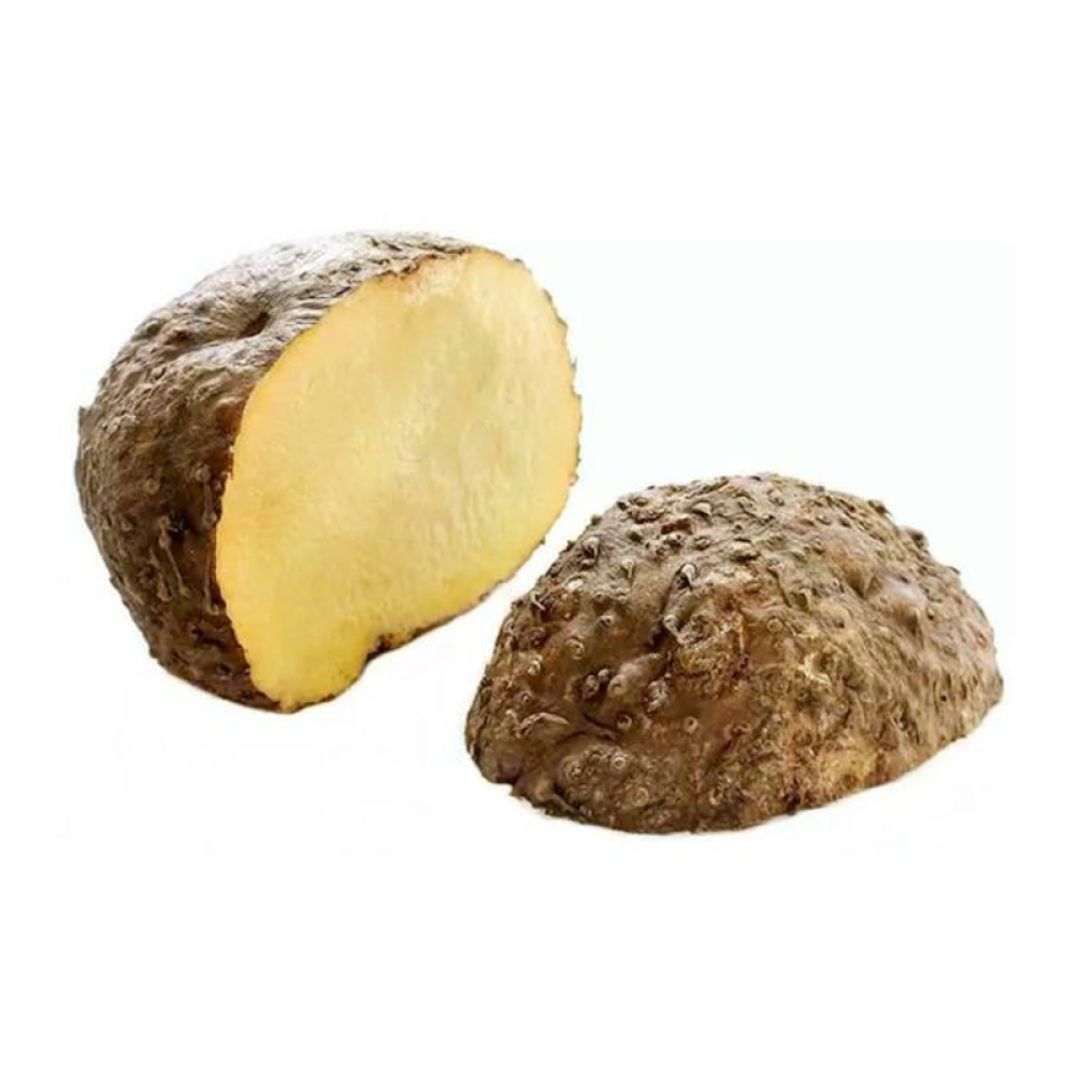
1. Desi Elephant Yam (Oal):
• The most commonly cultivated variety, characterized by a dark brown, rough outer skin and white flesh inside.
• It has a starchy texture and is often used in curries, fries, and traditional Indian dishes.
2. Hybrid Elephant Yam:
• A cross-bred variety designed to have higher yields, disease resistance, and a smoother texture.
• This variety is generally preferred for commercial production.
3. Large Elephant Yam:
• Larger in size, these yams are known for their firm texture and are mostly used in processed food industries or large-scale culinary preparations.
Top Elephant Yam-Producing States in India
1. Kerala: The largest producer, particularly in the southern regions of the state.
2. Tamil Nadu: Grows a significant amount of elephant yam, especially in districts like Coimbatore, Dindigul, and Salem.
3. Karnataka: Elephant yam is cultivated in the coastal and interior regions of Karnataka.
4. Maharashtra: Grown in parts of Vidarbha and Konkan regions.
5. Andhra Pradesh: A good source of elephant yam, particularly in the coastal regions.
Export of Indian Fresh Elephant Yam
India has started to tap into the international market for fresh elephant yam, especially due to the increasing demand for tropical vegetables in global markets. Elephant yam’s high nutritional content and versatile use in culinary applications make it a desirable export product, especially in regions with high demand for starchy vegetables and tubers.
Packaging and Transportation
1. Packaging Standards:
• Elephant yams are usually packed in ventilated cartons or wooden crates to ensure airflow and prevent damage.
• Standard packing sizes are typically 10kg, 15kg, or 20kg per carton.
• The yams should be handled carefully to avoid bruising and should be packed in a way that prevents moisture buildup.
• Labels should include the variety, weight, grade, and country of origin.
2. Storage and Transport:
• Ideal temperature: Store fresh elephant yam at 12–15°C to maintain its freshness and prevent sprouting or spoilage.
• Humidity: Moderate humidity (85–90%) is ideal for storage to prevent dehydration and preserve the texture.
• It is best transported in cool containers or refrigerated vehicles to prevent spoilage during long-distance shipping.
Advantages of Indian Fresh Elephant Yam
1. Nutritional Value:
• Elephant yam is rich in carbohydrates, fiber, potassium, and antioxidants, making it an excellent addition to a healthy diet.
2. Long Shelf Life:
• With proper storage conditions, elephant yam has a relatively long shelf life, making it suitable for export.
3. Versatility:
• It can be used in a variety of dishes such as curries, fries, stews, and chips. It is also used in some traditional snacks and sweets.
4. Affordability:
• India’s large-scale cultivation ensures that fresh elephant yam is available at competitive prices, making it an attractive option for international markets.
Challenges in Elephant Yam Export
1. Perishability:
• Elephant yam is a perishable vegetable and requires careful handling and cold storage during transportation to maintain freshness.
2. Quality Control:
• Uniformity in size, shape, and texture is essential for export quality. Overripe or damaged yams are not suitable for international markets.
3. Storage and Handling:
• Elephant yam requires moderate temperature and humidity for proper storage, and mishandling during transportation can lead to spoilage or deterioration.
4. Market Competition:
• India faces competition from other yam-producing countries such as Thailand, Nigeria, and the Philippines.
Opportunities
1. Organic Elephant Yam:
• With growing global demand for organic produce, exporting organic elephant yam could open up new markets, particularly in developed regions like North America and Europe.
2. Frozen and Processed Elephant Yam:
• The processed food sector presents opportunities for value-added products such as frozen elephant yam, yam flour, or chips, which have a longer shelf life and appeal to international markets.
3. Health Consciousness:
• The health-conscious global consumer trend favors vegetables with high fiber content, like elephant yam, which could be marketed as a nutritious, low-calorie option for weight management and digestive health.
4. Cultural and Regional Cuisines:
• The increasing popularity of global cuisines and exotic vegetables presents an opportunity to market elephant yam as a unique ingredient in vegan, gluten-free, or ethnic dishes.