Types of Indian Fresh Coconut
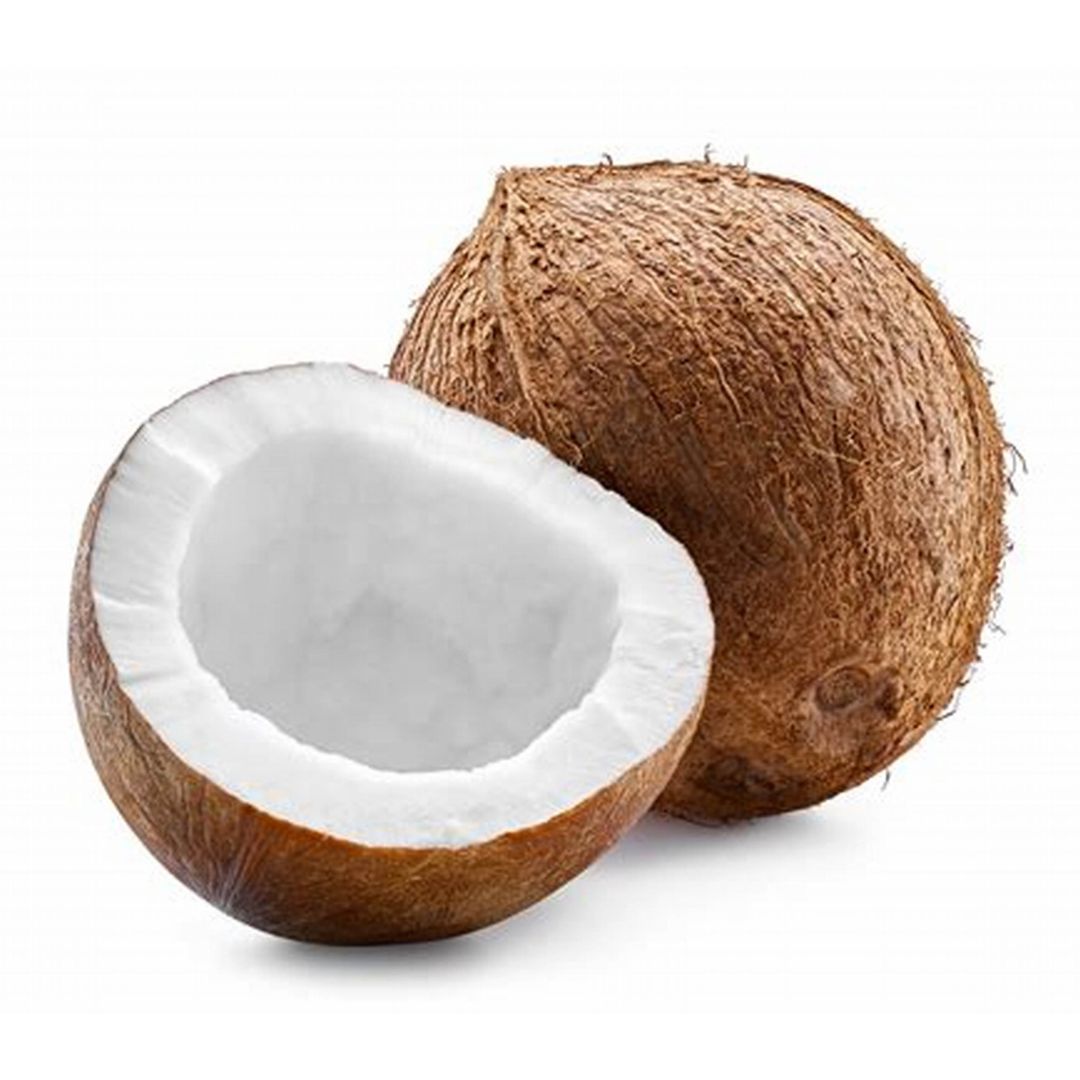
1. Mature Coconut (Copra):
• The mature coconut is harvested when it is fully ripened. The coconut shell is hard, and the water inside is minimal. The flesh of mature coconuts is thicker and is commonly used to make coconut oil, copra, and grated coconut for various culinary applications.
2. Young Coconut:
• The young coconut (also known as green coconut) is harvested before it fully matures. It has a green outer shell, and the interior contains coconut water and soft, jelly-like flesh. It is commonly consumed as a refreshing drink and is popular for its hydrating properties and health benefits.
3. Hybrid Coconut:
• Hybrid coconuts are bred for higher yield and resistance to diseases. They are suitable for commercial farming and have a relatively consistent size and shape.
Top Coconut-Producing States in India
1. Kerala: The largest producer of coconuts in India, particularly in the coastal regions.
2. Tamil Nadu: Major coconut cultivation in districts like Coimbatore, Thanjavur, and Tirunelveli.
3. Karnataka: Produces coconuts in coastal areas like Udupi, Mangalore, and Karwar.
4. Andhra Pradesh: Grown predominantly in areas like West Godavari, Krishna, and Chittoor.
5. Odisha: Emerging as a significant coconut producer in eastern India.
Packaging and Transportation
1. Packaging Standards:
• Fresh coconuts are typically packed in ventilated cartons, woven sacks, or plastic crates to ensure airflow and prevent damage during transportation.
• For young coconuts, the packaging should ensure that they are protected from physical damage and moisture.
• Standard sizes for export packaging are generally 5kg, 10kg, or 20kg per carton or bag.
2. Storage and Transport:
• Ideal temperature: Fresh coconuts should be stored at temperatures of 10–15°C to maintain freshness.
• Humidity: Moderate humidity (85–90%) is required to preserve the coconut’s quality during storage and shipping.
• Cold Chain Logistics: Cold chain management is crucial, especially for young coconuts, to prevent dehydration and spoilage during long-distance transportation.
Advantages of Indian Fresh Coconut
1. Nutritional Value:
• Fresh coconuts, particularly the young coconut, are rich in coconut water, a natural electrolyte-rich drink that aids hydration. The flesh contains fiber, essential fatty acids, vitamins (like vitamin C), and minerals (like potassium, magnesium, and calcium).
2. Health Benefits:
• Coconut water is widely consumed for its hydrating properties, and is considered an excellent natural alternative to sugary drinks or energy beverages.
• The flesh of the coconut, as well as coconut oil, is known for its health benefits such as improving heart health, skin hydration, and boosting the immune system.
3. Versatility:
• Coconuts can be used in a wide variety of products like coconut water, coconut oil, grated coconut, milk, coconut chips, and more.
• They are also used in beauty and wellness products such as soaps, shampoos, and lotions.
4. Global Demand:
• There is an increasing demand for coconuts globally, driven by rising health awareness, vegan diets, and the popularity of natural products.
Challenges in Coconut Export
1. Perishability:
• Fresh coconuts are highly perishable and need careful handling and storage. Young coconuts, in particular, have a short shelf life and require proper cold chain management during export.
2. Quality Control:
• Ensuring uniform quality and size is important for export. Overripe coconuts or coconuts with damaged shells are not suitable for export.
3. Market Competition:
• Other coconut-producing countries, such as Indonesia, the Philippines, and Thailand, also dominate the global coconut market. India needs to maintain quality standards and offer competitive pricing to remain a strong player.
4. Labor Intensive:
• Harvesting coconuts is a labor-intensive process, which can lead to challenges in maintaining a consistent supply and meeting international demand.
Opportunities
1. Organic Coconuts:
• The growing trend toward organic products provides an opportunity for exporters to tap into the premium market for organic coconuts, especially in Europe and North America.
2. Coconut Water and Other Processed Products:
• Exporters can focus on processing coconut water, which is highly in demand as a healthy beverage. Other value-added coconut products, such as coconut milk, coconut oil, and coconut chips, are also gaining popularity.
3. Frozen and Dried Coconut:
• Frozen coconut or dried coconut (copra) has a longer shelf life than fresh coconuts and can be exported without the same perishable risks. This opens up additional market segments.
4. Coconut-Based Cosmetics:
• The global demand for natural and organic beauty products presents an opportunity to export coconut-based cosmetics and personal care items, such as coconut oil, soaps, shampoos, and lotions.